
February 2026 - Trend Spotting - Joy
Feb 24, 2026
|

Trends We're Watching |
|
February 2026 FutureGood is a consultancy focused on helping visionary leaders build a better future. Through DEI consulting, strategic visioning, keynotes, retreats, and online learning, FutureGood helps thought leaders (like you!) to deploy futurism. |
|
We are watching so many interesting trends each month that we've decided to share them with our community. If you want us to look out for a specific subject, reach out and let us know! |
|
|
Joy |
|

|
Micro joy practices are small, repeatable moments that help nonprofit staff regulate stress in real time, even amid high emotional load and limited resources. Research on micro-recoveries shows that brief positive experiences during the workday can reduce burnout and improve emotional regulation. |
|
What this could mean for the social sector: This signals a shift away from burnout as an accepted cost of mission-driven work. Over time, normalizing small moments of restoration can strengthen team culture, decision-making, and long-term effectiveness, especially in high-stress, under-resourced environments. |
|
|
|

|
Nervous system literacy is becoming more normalized across the social sector and is especially visible in trauma-informed nonprofit management, refugee services, and violence prevention work. |
|
What this could mean for the social sector: Nervous system literacy gives teams a shared language to name stress, reduce shame, and intervene earlier before exhaustion or conflict escalates. It is essential for nonprofit leaders navigating burnout, trauma exposure, and constant urgency. When staff understand fight, flight, freeze, and regulation, they can respond to stress more skillfully rather than internalizing it as personal failure. |
|
|
Learn to spot trends relevant to your work |
|
If you want to learn more about futurism, including how to spot and make sense of these trends, you can! Sign up for our online learning program, FutureGood Studio, and empower yourself to be future-ready! |
|
|
|

|
Collective joy can be intentionally designed into public spaces through environments that invite people to gather, linger, and return. When places prioritize beauty, delight, and connection alongside function, they become essential social infrastructure that builds belonging. The photo above depicts one such place, Tivoli Gardens in Copenhagen. |
|
What this could mean for the social sector: Designing collective joy spaces can strengthen community trust, reduce isolation, and support long-term well-being in ways that programs alone often cannot. The act of centering joy as a core outcome invites nonprofits and funders to see physical and social infrastructure as powerful tools for connection, resilience, and shared civic life. |
|
|
|

|
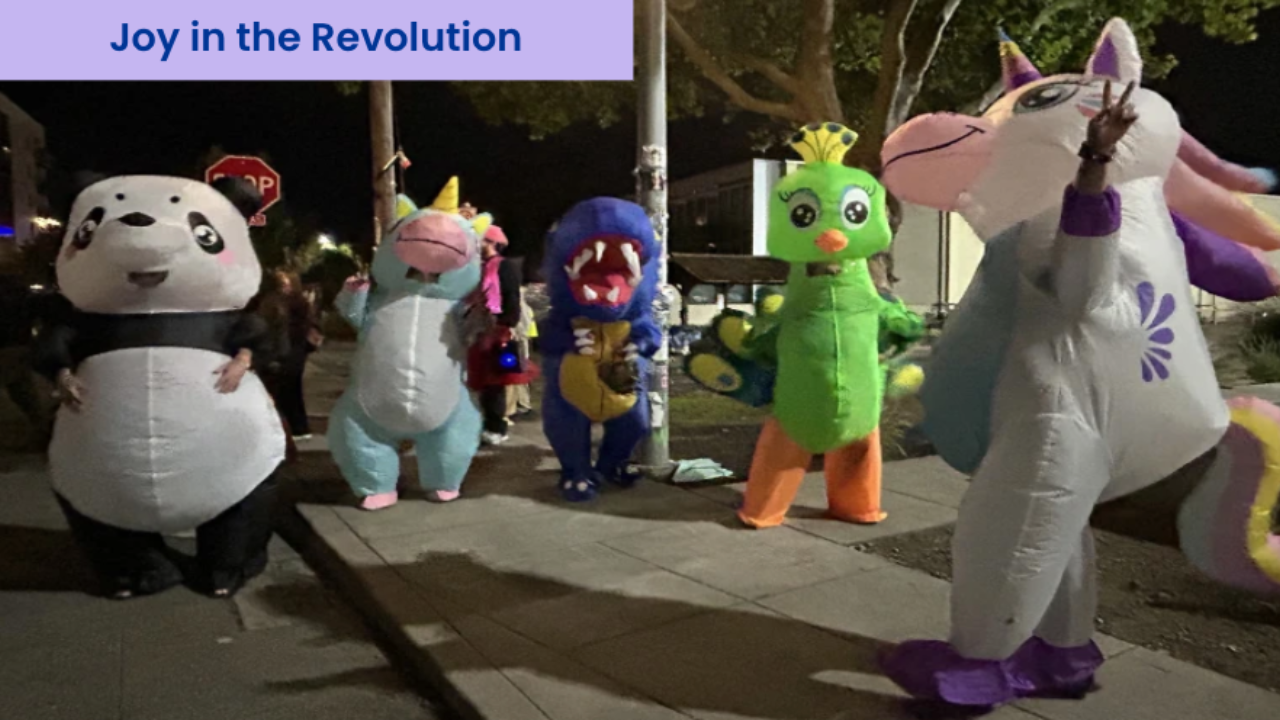
Joy is emerging as a form of resistance in social change work, especially in response to systems shaped by extraction, fear, and exhaustion. This practice is visible in organizing led by Black Lives Matter chapters, Indigenous water protectors, and LGBTQ+ advocates. Scholars like adrienne maree brown and organizers within the Movement for Black Lives frame joy not as a distraction, but as a political strategy. |
|
What this could mean for the social sector: This reframes joy as a legitimate strategy for sustainability and change, not an alternative to “serious” work. It challenges nonprofits to move beyond urgency and scarcity narratives and instead build cultures that protect humanity, creativity, and collective care. |
