
January 2026 - Trend Spotting - Physical Wellbeing
Jan 21, 2026
|
Trends We're Watching |
|
January 2026 FutureGood is a consultancy focused on helping visionary leaders build a better future. Through DEI consulting, strategic visioning, keynotes, retreats, and online learning, FutureGood helps thought leaders (like you!) to deploy futurism. |
|
We are watching so many interesting trends each month that we've decided to share them with our community. If you want us to look out for a specific subject, reach out and let us know! |
|
|
Physical Wellbeing |
|

|
GLP-1 medications have the potential to greatly improve health outcomes for low-income communities that experience higher rates of chronic, obesity-related diseases. With the United Nations adding GLP-1s to its list of essential medicines, access is expected to grow and reach far more people. |
|
What this could mean for the social sector: Expanded access to GLP-1s will shift community health needs toward prevention, nutrition, and long-term wellness. As diets move away from processed foods, nonprofits have new opportunities to strengthen local food systems, expand fresh food access, and collaborate across sectors to reduce health inequities. |
|
|
|

|
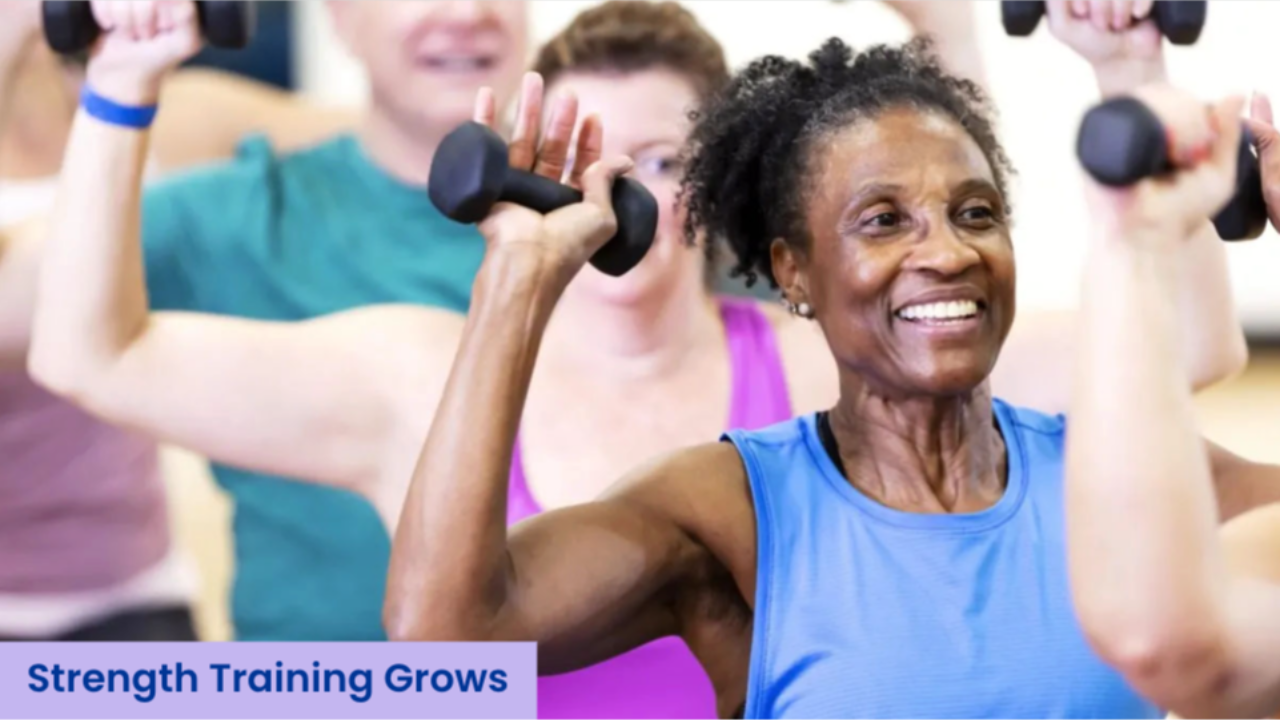
Strength training is rapidly becoming one of the most popular forms of exercise for people of all ages. Younger generations, especially Gen Z, now prefer lifting weights over traditional cardio, while older adults are embracing it to support mobility, bone health, and long-term independence. Social media platforms like TikTok and YouTube have made strength training more accessible. This widespread shift reflects a growing focus on functional health, confidence, and lifelong wellbeing. |
|
What this could mean for the social sector: The rise of strength training creates opportunities for nonprofits to deliver low-cost programs that support health, aging, and youth development. By partnering with community centers and local fitness leaders, organizations can improve mobility, confidence, and long-term wellbeing while expanding equitable access to strength-based wellness. |
|
|
Learn to spot trends relevant to your work |
|
If you want to learn more about futurism, including how to spot and make sense of these trends, you can! Sign up for our online learning program, FutureGood Studio, and empower yourself to be future-ready! |
|
|
|

|
Barcelona’s superblocks group several city blocks into a larger zone where cars stay on the perimeter and the interior becomes a calm, walkable space. These areas replace traffic with trees, benches, and open areas that encourage walking, biking, and community gathering. The result is cleaner air, less noise, and major health benefits for residents. If expanded citywide, superblocks could prevent hundreds of premature deaths each year and add significant gains in life expectancy. |
|
What this could mean for the social sector: Barcelona’s superblocks show how urban design can improve health, creating opportunities for nonprofits to advance walkability, clean air, and green space as core health strategies. Community groups can help ensure these investments benefit low-income neighborhoods through inclusive planning and cross-sector collaboration. |
|
|
|

|
Full-body scans that once cost tens of thousands of dollars now cost only a few hundred, making early detection accessible to many more people. These scans can identify issues like early-stage cancer, liver problems, or aneurysms long before symptoms appear. Companies such as Ezra and Function Health are helping shift healthcare from reactive treatment to proactive prevention. As prices continue to fall, early detection is becoming a routine part of preventive care with the potential to improve health outcomes across entire communities. |
|
What this could mean for the social sector: The rapid drop in cost for full-body scans creates new opportunities for nonprofits and public health organizations to promote early detection in communities that have historically faced barriers to preventive care. As these tools become more accessible, social sector leaders can expand education campaigns, partner with clinics to reach underserved populations, and advocate for coverage that reduces financial barriers to follow-up care. |
