
Stop Loving the Problem. Preserve It, and Build What Comes Next: Archiving The Future, Continued
Mar 24, 2026By Jerry L. Hawkins, Visioning Strategist at FutureGood
Jerry L. Hawkins is a Visioning Strategist at FutureGood. Connect with him on LinkedIn or reach out to him by email at [email protected].
In the Fall 2024 issue of The Nasher Magazine, I wrote about my 2018 experience watching Theaster Gates talk about objects as vessels; empty things waiting to be filled with meaning. He spoke about the immaterial power we carry: memory, spirit, story. And how those forces animate the material world.
That idea never left me.
Because if objects are waiting to be filled, then archives are not about the past—they are about power. They are about deciding what gets remembered, what gets valued, and ultimately, what gets built next.
And right now, too many of us are loving the problem more than we are shaping the future.
The Trap of Loving the Problem
In her work at FutureGood, Trista Harris challenges leaders to think beyond incremental change. In FutureGood, she argues that real transformation requires us to move from reacting to crises to designing futures.
But here’s where we get stuck: we document harm. We analyze inequity. We name injustice over and over again.
All of that matters. But if we stop there, we are preserving the problem without transforming it.
Archiving, at its best, is not passive storage. It is active intervention.
Archiving as Future-Making
I’ve long described archivists as surgeons of collective memory. They cut, preserve, and reconstruct. They decide what survives.
But I’m pushing that idea further now:
Archivists are futurists.
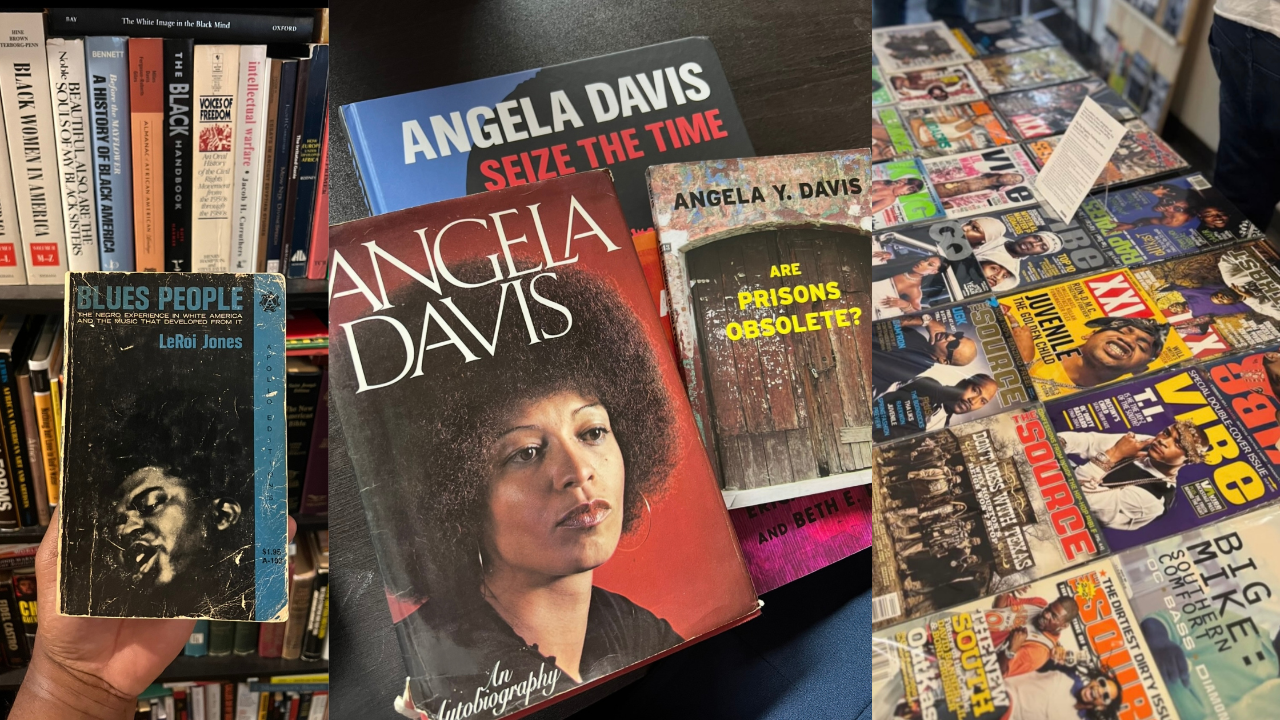
When we choose what to keep, including books, vinyl, photographs, postcards, oral histories, we are not just preserving evidence. We are building raw material for imagination.
This is something Mariame Kaba made plain in a conversation we had. Her approach is simple but radical: collect with intention, and activate what you collect. A collection should not be for nostalgia, but for transformation.
Because an archive that just sits is a graveyard. An archive that is used becomes infrastructure.
Memory in a City Built to Forget
Dallas is a city that has practiced selective memory with precision.
Historians have called it “amnesia by design.” Entire communities, stories, and histories, particularly Black and Brown, have been erased, buried, or under-documented.
So what does it mean to do memory work here or in places where you are?
It means refusing disappearance.
It means building collections where none exist. It means connecting fragments into narrative. It means insisting that what was meant to be forgotten becomes foundational.
My own practice, collecting books, magazines, vinyl, ephemera, is not about accumulation. It’s about reconstruction. It’s about asking: What story becomes possible if we put these pieces back together?
From Archive to Imagination
Here’s the shift I want you to sit with:
Don’t just ask what happened. Ask what becomes possible because it happened.
That’s the move from history to futurism.
When you hold a poll tax receipt, you’re not just seeing voter suppression, You’re seeing resistance infrastructure.
When you find a postcard of a demolished Black space, you’re not just witnessing loss. You're uncovering a blueprint.
When you rebuild a vinyl collection your parents once had, you’re not just honoring memory. You are restoring cultural continuity.
This is what it means to stop loving the problem.
You don’t ignore it. You don’t erase it. You preserve it with purpose, and then you build from it.
A Practice for Archiving the Future
If you’re serious about this work, start here:
- Collect with intention: Not everything, just what tells a story that needs to survive.
- Interrogate what’s missing: Absence is data. What you can’t find tells you what was erased.
- Activate what you hold: Share it. Exhibit it. Teach from it. Let it spark curiosity.
- Translate memory into design: Use what you’ve preserved to imagine new systems, policies, and possibilities.
The Work Ahead
The future is not something we enter. It is something we construct.
And archives (personal, communal, institutional) are the building materials.
So I’ll leave you with the questions that continue to guide me:
What is the value of an object? What is the value of a human? And what future becomes possible when we refuse to let either be discarded?
Stop loving the problem.
Preserve it. Study it. Learn from it.
Then get to work building what comes next.
If you want to continue this conversation, join Jerry L. Hawkins for his upcoming webinar:
Stop Loving The Problem. Preserve It, and Build What Comes Next:
Archiving The Future, Continued
When: Thursday, April 23, 2026 at 1pm ET / 10am PT
