
August 2026 - Trend Spotting - Trends in AI
Aug 26, 2026
|
Trends We're Watching |
|
August 2026 FutureGood is a consultancy focused on helping visionary leaders build a better future. Through strategic visioning, keynotes, retreats, and online learning, FutureGood helps thought leaders (like you!) to deploy futurism. |
|
We are watching so many interesting trends each month that we've decided to share them with our community. If you want us to look out for a specific subject, reach out and let us know! |
|
|
Trends in AI |
|

|
Nan Ransohoff traces philanthropy through three waves of wealth, from Carnegie and Rockefeller's industrial fortunes to Gates-era strategic giving to the AI wealth now arriving through the OpenAI Foundation and Anthropic's founders, with tens of billions in new funding possibly hitting the sector each year. The bigger pattern is that money alone doesn't solve civilizational problems, capacity does, and the real gap is the talent and organizations needed to deploy it well. This is where long-term vision and values-led strategy matter most, building that capacity now, rather than waiting for a perfect plan, is the near-term work this wave demands.. |
|
What this could mean for the social sector: This is a signal to get ready to receive capital, not just wait for it. Organizations that can show real track records, clear theories of change, and readiness to scale will be the ones positioned to absorb these new dollars, so now is the time to strengthen operations, sharpen strategy, and build the case for what you've already proven works. It also means advocating for a seat at the table, the people who understand community needs and equity on the ground bring judgment that AI wealth alone cannot buy. Proactive positioning now, rather than reactive scrambling later, will determine who benefits from this wave. |
|
|
Refer a friend |
|
FutureGood values referrals from staff, strategists, clients, and friends of the organization. When you introduce us to an organization that becomes a paying client, we say thank you with a 5% referral fee. A referral is a direct introduction to an organization we haven't been in touch with before, where your introduction is the reason they end up hiring us. You make the introduction. We take it from there: the sales conversations, the proposal, the contract, and the project design. Tell us before you make the introduction, or at the same time. Email us with the name of the organization and the person you're introducing us to. Can't accept a referral fee? We'll make a charitable donation instead. Thank you for helping us connect more organizations to the power of strategic visioning, futurism, and future-focused leadership! Full details: FutureGood Referral Program |
|
|
|

|
The Underwriting for Racial Justice initiative, in partnership with fintech Stratyfy, ran a two-year cohort helping lenders nationwide use machine learning to detect and address bias in underwriting, increasing lending to Black and Brown communities. A second cohort launched a couple months ago, building on that momentum. Getting to the source of bias, in the systems and people using them, is what transforms impact for communities of color long term. |
|
What this could mean for the social sector: This shows that equity work is most powerful when it targets the infrastructure of decision-making itself, not just the outcomes downstream. Organizations serving communities of color can look to this model, partnering with technical experts to examine the systems and people driving disparities, rather than only advocating for better outcomes after the fact. This is equity as organizational infrastructure, building fairness into the tools and processes themselves so the benefit compounds over time rather than requiring constant intervention. |
|
|
Learn to spot trends relevant to your work |
|
If you want to learn more about futurism, including how to spot and make sense of these trends, you can! Sign up for our online learning program, FutureGood Studio, and empower yourself to be future-ready! |
|
|
|

|
Latimer is a large language model trained with diverse histories and a culturally fluent voice, built to more accurately reflect the experience, culture, and history of diverse communities. This reflects a bigger shift in AI, moving from simply answering questions to genuinely understanding people, with more diverse histories and culturally specific perspectives built into the models themselves. As AI becomes more central to public life, organizations will expect it to produce insights that are inclusive, relevant, and culturally informed from the start, not adjusted after the fact. |
|
What this could mean for the social sector: This means the tools nonprofits adopt will need to reflect the communities they serve, not just process information about them. Organizations should start evaluating AI tools with the same equity lens they apply everywhere else, asking whose histories and perspectives shaped the training data, before building these tools into programs or communications. This is equity as organizational infrastructure, choosing culturally fluent tools now sets the foundation for more relevant, trusted work with the communities nonprofits exist to serve. |
|
|
|

|
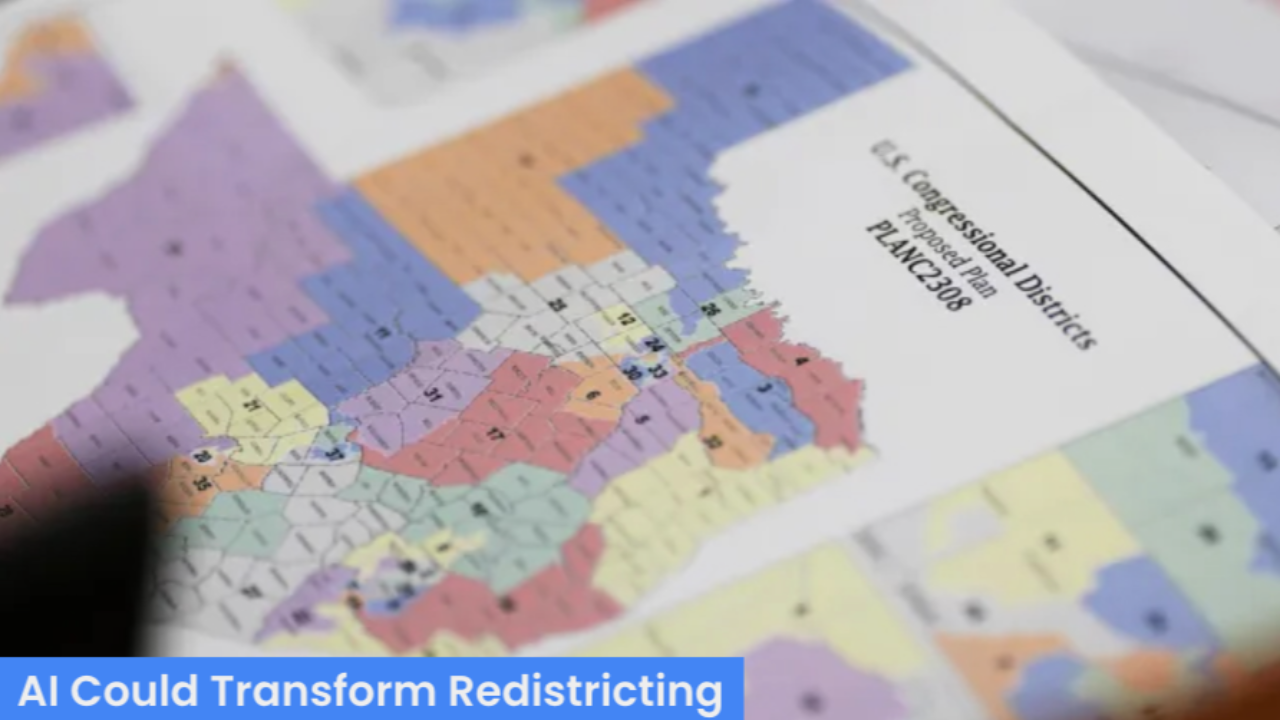
AI could reshape how voting district maps get drawn, generating thousands of options optimized for fairness, transparency, and equal representation while cutting down partisan bias. Instead of years of political battles, this technology could show the tradeoffs behind each map clearly and quickly. As trust in democratic institutions declines, this points to a bigger pattern, the future of democracy may depend less on who draws the maps and more on how intelligently we design the process itself. |
|
What this could mean for the social sector: This points to a new role, organizations working on voting rights and civic engagement could push for AI-driven redistricting tools that build public trust rather than erode it further. This means getting involved early, advocating for transparency in how these tools are built and whose interests they optimize for, since the same objectivity that reduces partisan bias could also mask new forms of harm if left unchecked. It's proactive strategy in practice, shaping the process now while trust in democratic institutions is still being rebuilt, rather than reacting once these tools are already in wide use. |
|
|
|

|
Humanity AI, a $500 million grantmaking initiative backed by ten major funders including MacArthur, Ford, Mellon, and Omidyar Network, is uniting philanthropy in a broad coalition to build a more human future in which AI is shaped by and for people. This reflects a bigger shift, philanthropy is moving beyond studying AI to actively shaping its development, investing in work that strengthens communities and enhances human creativity rather than replaces it. The future of philanthropy will increasingly be defined by this kind of collaborative investment, ensuring AI benefits everyone, not just the companies building it. |
|
What this could mean for the social sector: This signals real funding and infrastructure now exist for organizations doing AI governance and community-centered tech work, so this is the moment to position for those grants. It also means nonprofits have an opening to join this coalition and help decide how AI gets designed and deployed, rather than only responding to its effects later. This is proactive strategy in action, showing up early to shape AI's future is what protects the communities the social sector serves. |
|
|
Got questions about the future? |
|
The future is moving fast. Join us for our next Futurism Q&A and get real answers from a trained futurist. Add it to your calendar now> |
