July 2026
FutureGood is a consultancy focused on helping visionary leaders build a better future. Through strategic visioning, keynotes, retreats, and online learning, FutureGood helps thought leaders (like you!) to deploy futurism.
|
We are watching so many interesting trends each month that we've decided to share them with our community. If you want us to look out for a specific subject, reach out and let us know!
|
FFor decades, automation reshaped factory floors. Now it's reshaping front offices, and the most exposed roles - communications, marketing, research, customer service, administrative support - are exactly the functions that keep nonprofit headquarters running day to day.
|
What this could mean for the social sector: This shift gives leaders room to move staff time toward strategy, innovation, relationship building, and community impact. (Think comms and grant writing teams shifting from draft-writing o shaping strategy, relationships, and stories.) The organizations that plan for this now will be the ones that turn disruption into deeper mission work. Organizations that wait until budget season will make reactive cuts instead of intentional choices.
|
|
Do you know an organization that could benefit from future-focused strategic planning, an event speaker or a facilitator? We invite you to introduce them to FutureGood.
As a thank you, FutureGood offers a referral fee of 5% of the total project value for introductions that result in a signed client contract. The program is open to friends of FutureGood.
Making a referral is simple: introduce us and notify us when the connection is made. Our team will handle all follow-up conversations, proposal development, and project design.
Thank you for helping us bring future-focused thinking to more organizations and communities!
|
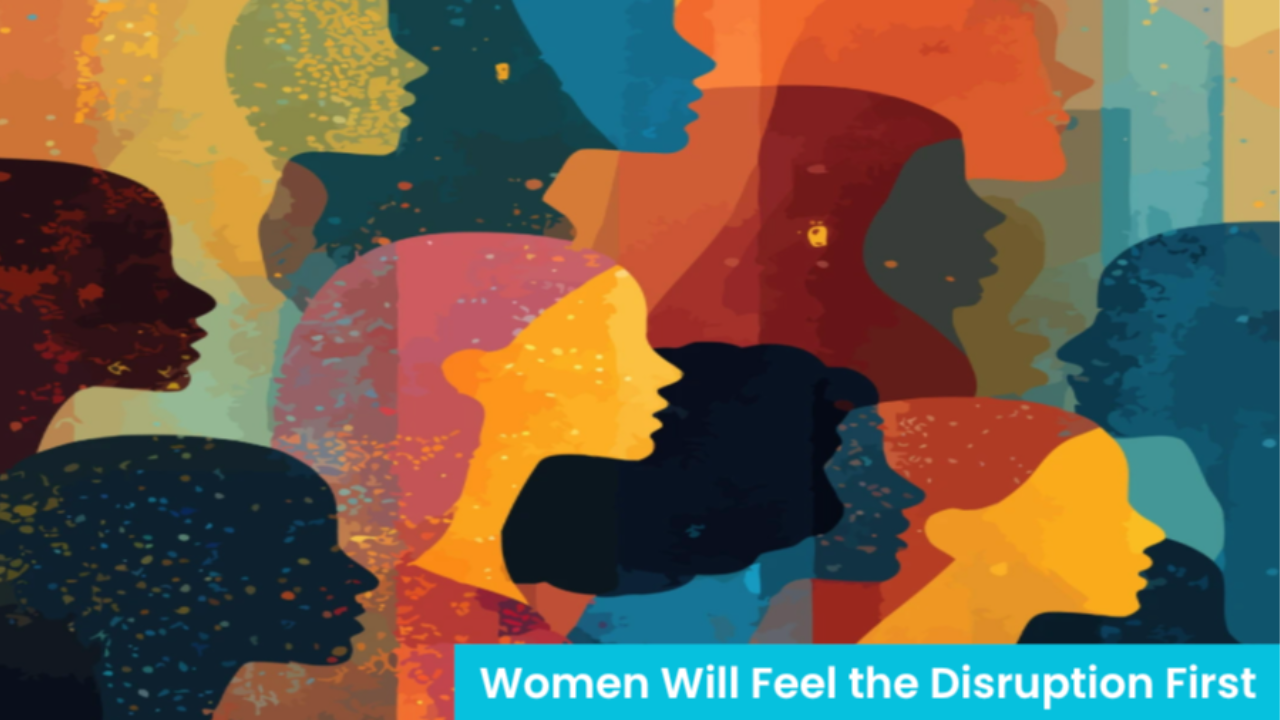
Women are 16 percentage points more likely than the overall workforce to hold highly AI-exposed jobs, and many of those roles - communications, development, grants management, operations - are the backbone of nonprofit staffing.
|
What this could mean for the social sector: If AI training goes first to executives and technical staff, the women who fill communications, development, and grants management roles could be left to adapt alone. Nonprofits that build AI literacy programs now, starting with the most exposed roles, can turn this into career growth rather than quiet erosion. Boards and funders should ask not just how an organization is adopting AI, but who inside it is being equipped to grow with it.
|
Learn to spot trends relevant to your work
|
If you want to learn more about futurism, including how to spot and make sense of these trends, you can! Sign up for our online learning program, FutureGood Studio, and empower yourself to be future-ready!
|
Hiring for 22-25 year-olds in highly AI-exposed occupations has already dropped 14%, as employers hand entry-level tasks to AI. For nonprofits, this threatens the pathway that once turned junior researchers and administrators into tomorrow's program officers and executive directors. Organizations will need new models of apprenticeship, mentoring, and AI-enhanced learning to keep developing future leaders.
|
What this could mean for the social sector: If nonprofits don't rebuild the entry-level ladder deliberately, they risk losing their leadership pipeline entirely, not just slowing it down. The research, drafting, and data work that once taught junior staff the fundamentals of fundraising or program management may simply disappear into AI tools, leaving nothing for a 23 year-old to learn from. Organizations will need to redesign early-career roles around judgment, relationship building, and strategy rather than task execution, and pair that with intentional mentoring so experience gets built by design, not by accident. The nonprofits that solve this now will have a real advantage in leadership development ten years from now.
|
As AI takes over routine content generation and analysis, the things it still can't do well becomes even more important. These are skills like building trust, navigating relationships, facilitating hard conversations, creating belonging.
|
What this could mean for the social sector: This means the skills nonprofits have always specialized in, empathy, trust-building, community facilitation, are shifting from soft skills to core competitive advantage. As other sectors automate away their human touch, nonprofits that lean into what they already do well, bringing people together and navigating complexity, may find themselves more essential, not less. The practical implication is that leadership development and community engagement deserve real investment now, not just program delivery. What used to be considered supplementary work may become the sector's defining strength.
|
Got questions about the future?
|
|